
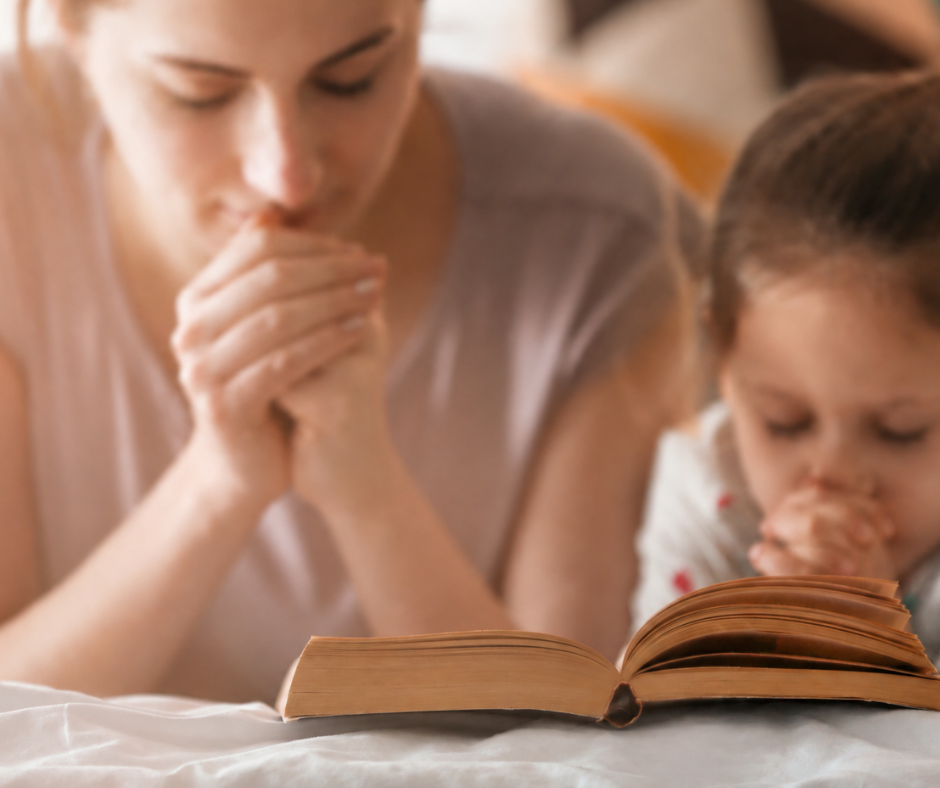

Mama, what do your kids think of when they hear the word “grateful”?
Some kids might think of saying the blessing over their food. Others might mention how they recognize that they have more material things than children who are less fortunate. And some might simply reference politeness and manners.
But there’s an important distinction between manners and gratitude that we often overlook. Children can be taught to be polite without understanding genuine appreciation.
Gratitude begins at home. Our children are watching and listening to how we speak about our own lives.
Are we thanking God in all circumstances and acknowledging the little blessings He bestows upon us?
Are we expressing dissatisfaction with our circumstances or our lives in general?
Are we constantly verbalizing our desire for more or better?
Don’t misunderstand—there’s nothing inherently wrong about wanting better life circumstances, or even nice material things. But if our children sense a tone of constant dissatisfaction, grumbling, and coveting from us…we can’t truly be surprised when we hear them requesting or even demanding the next new thing as well.
Despite witnessing God’s provision time and again, the Israelites struggled to trust Him when their circumstances became difficult. Their grumbling often overshadowed the very blessings He had already provided.
It’s also important to teach our children to be grateful for the people in our lives, regardless of what gifts or rewards they provide.
Children may initially place greater value on the people who give them gifts or special treats. But as they mature, we want them to recognize the deeper value of those who consistently show up, love them, and invest in their lives.
I’ve bought many pretty gratitude journals to help me stay consistent in my daily practice of thankfulness. But I’ve realized that, eventually, the practice can become more of a checklist than a heartfelt acknowledgment of God’s goodness.
That’s why I’ve made it an integral part of my morning routine to give God thanks at the beginning of my day by simply saying, “Thank you, Lord, for the energy in my body and breath in my lungs. For the ability to move my body without pain or hesitation. Thank you for blessing me with another day to spend with my children and grandchildren. Thank you for allowing me another day on this earth to enjoy the beauty you’ve created, and the opportunity to share your goodness and love with those around me, to point them toward heaven.”
And then I go into my prayer time.
I’ve found this easier to maintain than making sure I have my journal, a pen, good lighting, and a comfortable place to write. There’s certainly nothing wrong with journaling—I simply prefer talking directly to God each morning, without needing anything else.
Colossians 3:17 says: “And whatever you do, whether in word or deed, do it all in the name of the Lord Jesus, giving thanks to God the Father through him.”
When we begin our day by thanking and honoring Him, we’re better prepared to face whatever that day brings. It doesn’t mean we won’t encounter challenges, but we can face them with courage, knowing He’s beside us.
We already know, as parents, that our children don’t typically do as we say but as we do. Actions speak volumes to them. That’s why it’s important to model genuine gratefulness in front of them.
Let them see you thank the Lord, not just at meal times or holidays, but in the little moments throughout your day.
Thank Him for the sunshine and birds singing in the morning. Thank Him for protecting your loved ones, for an unexpected financial blessing, or for healing after an illness. Thank Him in the car, the bathroom, the garage, or even the grocery store.
When our children see us thanking God in all circumstances, they begin to recognize His omnipresence and faithfulness. They learn that they, too, can turn to Him anytime.
Gratitude is something our children learn by watching us, and God’s faithfulness—not our material circumstances—is the foundation of that gratitude.
So, mama, if everything your child ever learned about gratitude came simply from watching you, what would they believe it means to be thankful?